Zakat & Nisab
What is Zakat
Zakat is the obligatory charity upon wealth. It is one of the five sacred pillars of Islam, along with Shahada, Salah, Saum, and Hajj, and must be paid by a Muslim every year that they are eligible to do so (Saheb-e-Nisab). Zakat was made mandatory in the 2nd year after the Hijra. In Arabic Zakat means increase, growth, blessing, and purification. All these features are present in this Ibadah of Zakat.
Zakat is not a random form of charity or imposed tax; Zakat is not a means of giving to be generous it is something that Allah has ordained us to do.
Paying Zakat is a sign (of virtue) as per the Qur’an.
- Sign of good character and sincerity
- Sign of righteousness
- Sign of receiving divine mercy from Allah
- Sign of true belief
- Sign of attaining success in the Hereafter
- Sign of freedom from fear on the Day of Judgment
Not paying Zakat may attract punishmen
What is Nisab
What is the nisab threshold? The Zakat nisab value is the minimum threshold required for an individual to be eligible to pay Zakat in that specific year. Your total overall wealth must meet or exceed the nisab value in order for you to be eligible to pay Zakat, which is prescribed as the equivalent of:
87.48 grams (7.5 tola) of gold or
612.36 grams (52.5 tola) of silver, respectively.
Assessment of Zakatable Wealth:
There are five main categories of zakatable wealth, which are explained in detail as follows:
1) Personal zakatable wealth
a) Cash on hand & in bank, gold, silver, stocks, bonds
Nisab – 87.48 grams of pure gold
Zakat: 2.5% on net value
2) Business zakatable wealth
a) Trading goods
b) Money earned from exploited assets, rented property, machinery, service industries, etc.
Nisab – 87.48 grams of pure gold
Zakat: 2.5% on value if total wealth more than Nisab
3) Agricultural produce
a) Crops from irrigated land – 5% on net value of produce
Nisab – 653 kg produced
b) Crops from non-irrigated land – 10% on net value of produce
Nisab – 653 kg produced
4) Livestock
Cows – 1:30
Sheep/Goat – 1:40
5) Treasure troves
Nisab – 87.48 grams of pure gold
Zakat – 20%
Note:
1. Zakat of each category of wealth, if more than Nisab, should be calculated separately.
2. Different types of assets cannot be added together and zakat imposed on the total.
Conditions for paying Zakat:
1. Should be a Muslim
2. Should be sole owner of the wealth
3. Should have Nisab of wealth
4. Completed one lunar year
You can use our Zakat Calculator to calculate zakat. (Our Zakat Calculator uses Gold as the Nisab)
Who is eligible to receive Zakat
Zakat is paid to deserving individuals who come under one or more of eight categories designated by Allah SWT in Quran
- The poor (al-fuqara), meaning low-income or indigent.
- The needy (al-masâkîn), meaning someone who is in difficulty.
- Zakat administrators.
- Those whose hearts are to be reconciled, meaning new Muslims and friends of the Muslim community.
- Those in bondage (slaves and captives).
- The debt-ridden.
- In the cause of God.
- The wayfarer, meaning those who are stranded or traveling with few resources.
Three obligations for payment of zakat
1) Intend to pay zakat to please Allah
2) Proper assessment (calculation) of Zakatable wealth and zakat to be paid
3) To make sure that zakat amount is handed over to Mustahiq as directed in Quran.
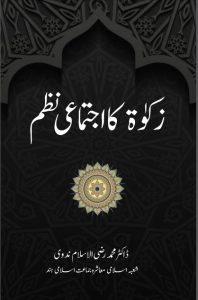
Book on Management of Collective Zakat in Urdu.